Mould on walls is an issue many homeowners face, often without realising the potential risks it brings. It usually develops in areas with excess moisture, such as bathrooms, kitchens, or spaces with poor ventilation.
While mould might start as a small, unsightly stain, it can quickly spread and cause more significant problems if left untreated. Not only does it detract from the appearance of your home, but it can also lead to serious health concerns for you and your family, including allergies, respiratory issues, and worsening asthma.
Taking swift action is crucial to protecting your property and safeguarding the well-being of those living in your home.
In this guide, we’ll walk you through the common causes of mould, explain how to get rid of mould on walls, and steps you can take to prevent it from coming back—ensuring your home stays fresh, clean, and mould-free for the long term.
Understanding the Causes of Mould
Mould thrives in environments where dampness and humidity are prevalent, and understanding the causes is essential for prevention.
Here are the primary culprits behind mould growth:
- Condensation: Occurs when warm, moist air meets cold surfaces like walls, windows, or ceilings, creating damp areas that are ideal for mould to grow.
- Water Leaks: Plumbing issues, roof damage, or leaks in windows and doors introduce moisture that often lingers, promoting mould growth.
- High Humidity Levels: Rooms like bathrooms, kitchens, or poorly ventilated spaces frequently experience high humidity, creating a welcoming environment for mould.
The Health Risks of Mould
Mould exposure poses significant health risks, especially for individuals with pre-existing conditions like asthma, allergies, or weakened immune systems.
Here are some common health issues caused by mould:
- Respiratory Problems: Prolonged exposure can lead to breathing difficulties, shortness of breath, and chronic coughing.
- Allergic Reactions: Mould often triggers allergic symptoms, including sneezing, runny nose, and itchy eyes.
- Skin Irritation: Direct contact with mould or mould spores can cause rashes and skin irritation.
- Aggravation of Asthma: For people with asthma, mould can worsen symptoms, leading to more frequent or increased severity of attacks.
- Weakened Immune Response: Individuals with compromised immune systems are more susceptible to infections and other health complications due to mould exposure.
How to Safely Remove Mould from Walls
Safe mould treatment for walls requires a combination of the right approach, protective gear, and attention to detail to prevent further contamination or damage.
Safety Precautions
- Wear Personal Protective Gear (PPE): Mould spores can quickly become airborne during cleaning, leading to respiratory issues. Make sure to wear:
- Gloves (preferably rubber or nitrile)
- A dust mask or N95 respirator to avoid inhaling spores
- Goggles to protect your eyes from irritation
- Long sleeves and pants to cover exposed skin
- Ensure Proper Ventilation: Mould thrives in damp, enclosed spaces, so improving airflow is essential. Open windows and doors while cleaning to allow fresh air in and reduce the concentration of mould spores in the air.
- Containment: If the mould problem is extensive, consider sealing off the affected area with plastic sheeting to prevent spores from spreading to other parts of the house.
Step-by-Step Guide for Removing Mould
Depending on the level of mould infestation and the cleaning products available, select one of the following removal methods and follow these steps:
Method 1: Vinegar Solution
- Step 1: Fill a spray bottle with undiluted white vinegar (or dilute with water for lighter mould).
- Step 2: Spray the affected area generously, covering the mould completely.
- Step 3: Let the vinegar sit for at least one hour to kill the mould.
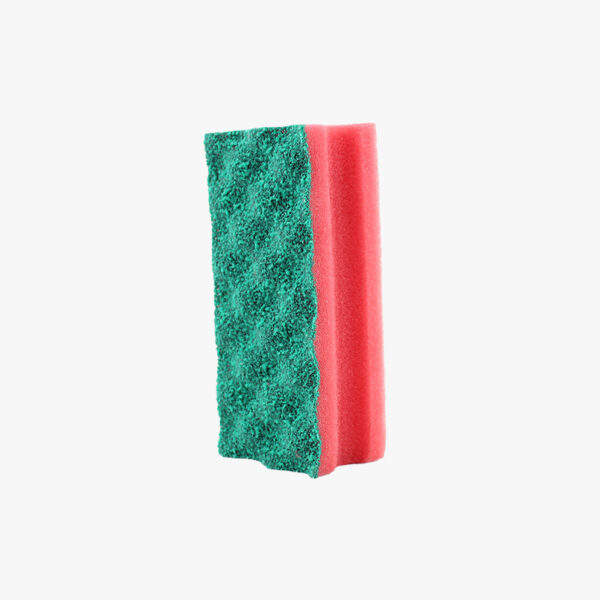
- Step 4: Scrub the area with a soft-bristle brush or sponge.
- Step 5: Wipe the area clean with a microfibre cloth and allow it to dry thoroughly.
Method 2: Hydrogen Peroxide
- Step 1: Use a 3% hydrogen peroxide solution in a spray bottle.
- Step 2: Spray the mouldy surface until saturated.
- Step 3: Leave the peroxide on for 10-15 minutes to penetrate the mould.
- Step 4: Scrub with a scrub brush to remove the mould.
- Step 5: Wipe the surface clean with a cloth and let it air dry.
Method 3: Commercial Mould Sprays
- Step 1: Choose a mould removal spray from your local store. Ensure it is designed to tackle tough or widespread mould issues.
- Step 2: Follow the manufacturer’s instructions to apply the spray to the mouldy areas.
- Step 3: Allow the spray to sit for the recommended time, typically 10-20 minutes.
- Step 4: Wipe the area down with a clean cloth, ensuring the surface is free from mould and moisture.
Removing Mould from Painted Walls
Removing mould from painted walls requires extra care to avoid damaging the paint:
- Use Gentle Cleaning Solutions: Avoid using bleach on painted walls, as it may discolour the paint. Opt for a mild detergent or a diluted vinegar solution.
- Spot Testing: Before applying any cleaning solution to a large area, test it on a small, inconspicuous spot to ensure it won’t damage the paint.
- Soft Scrubbing: Avoid abrasive brushes that could strip the paint or damage the wall surface.
Preventing Mould from Returning
It’s essential to address the underlying causes to prevent mould from returning.
Here are some practical prevention tips:
- Improve ventilation: Ensure proper airflow in rooms prone to dampness, such as bathrooms and kitchens. Use exhaust fans or open windows regularly.
- Use dehumidifiers: Maintain low humidity levels (ideally below 60%) with the help of dehumidifiers, especially in areas with high moisture.
- Fix leaks: Regularly check for and repair any leaks in plumbing, roofs, or walls to prevent moisture buildup.
- Apply anti-mould paint: Use mould-resistant paints and treatments on walls, especially in areas susceptible to dampness. These products contain fungicides that reduce mould growth.
- Insulate walls and windows: Prevent condensation by insulating cold surfaces that often cause moisture buildup.
Mould Treatment for Walls: DIY vs. Professional Help
When deciding how to get rid of mould on walls, you have two primary options: handling the removal yourself (DIY) or hiring professional services. Both approaches have pros and cons, depending on the severity of the issue and the resources at your disposal.
Let’s explore each method to help you make an informed decision.
DIY Mould Treatment: Pros and Cons
Pros:
- Cost-Effective: Tackling mould removal yourself can be much cheaper since you only need basic household cleaning supplies like vinegar, hydrogen peroxide, or specialised mould sprays.
- Immediate Action: With DIY, you can address the issue as soon as you spot it without waiting for a professional service appointment.
- May be Suitable for Small, Isolated Areas: If the mould is minor and limited to small areas (less than 10 square feet), DIY treatment may be sufficient.
Cons:
- Limited Effectiveness for Large Infestations: DIY methods might not fully address larger infestations or mould that has penetrated deep into walls or ceilings, leading to recurring issues.
- Health Risks: Without proper protective gear and equipment, DIY mould removal can expose you to harmful mould spores, which may cause respiratory problems, skin irritation, or allergic reactions.
- Temporary Fix: DIY treatments may only address surface-level mould without tackling the root cause (e.g., leaks, condensation), making it more likely for mould to return.
Professional Mould Removal: Pros and Cons
Pros:
- Thorough and Comprehensive Treatment: Professional mould remediation services provide a deeper level of cleaning using industrial-grade tools and products. They can address visible and hidden mould in walls, ceilings, and ventilation systems.
- Expert Knowledge: Professionals can identify the root cause of the mould, such as structural leaks, poor ventilation, or condensation issues, and recommend long-term solutions to prevent mould from coming back.
- Health and Safety: Trained professionals follow strict safety guidelines and use advanced protective equipment to safeguard against health risks posed by mould exposure. This is especially important in homes with vulnerable individuals, such as children, the elderly, or those with respiratory conditions.
- Warranty and Peace of Mind: Many professional services offer warranties or guarantees, giving you confidence that the mould has been effectively removed and won’t return in the near future.
Cons:
- Higher Costs: Professional mould removal can be expensive, especially for extensive infestations that require structural repairs, ongoing monitoring, or specialised treatments.
When to Consider Professional Mould Remediation
There are situations where DIY mould removal methods might not be sufficient, and professional help is required.
Here are some instances when it’s best to call in experts:
- Large infestations: If mould covers a significant portion of your walls or multiple rooms.
- Recurring mould: When mould keeps returning despite repeated cleaning efforts.
- Structural concerns: If mould is growing in areas affected by water damage or structural issues.
- Health risks: Professional services ensure safer removal for households with individuals prone to respiratory issues.
If you’ve tried DIY methods and are still facing recurring mould issues, a professional solution may be the best way to fully eliminate mould and prevent future growth. Ultima Environmental offers expert mould remediation services that provide safe, effective, and long-lasting results.
Ultima’s Expert Approach to Mould Removal
Removing mould from your walls involves following the right steps, from choosing an appropriate removal method to using the correct tools and cleaning products.
While DIY solutions can effectively tackle more minor mould issues, prevention is key to avoiding future outbreaks. Improving ventilation, fixing leaks, and using anti-mould treatments are all essential steps in keeping your home mould-free.
However, when mould problems persist or are more severe, professional help may be the best solution. Professional mould remediation services are recommended for complete peace of mind, especially for stubborn or recurring mould issues.
Ready to create a mould-free home?
Contact Ultima Environmental today for expert advice or to learn more about our comprehensive mould remediation services.